

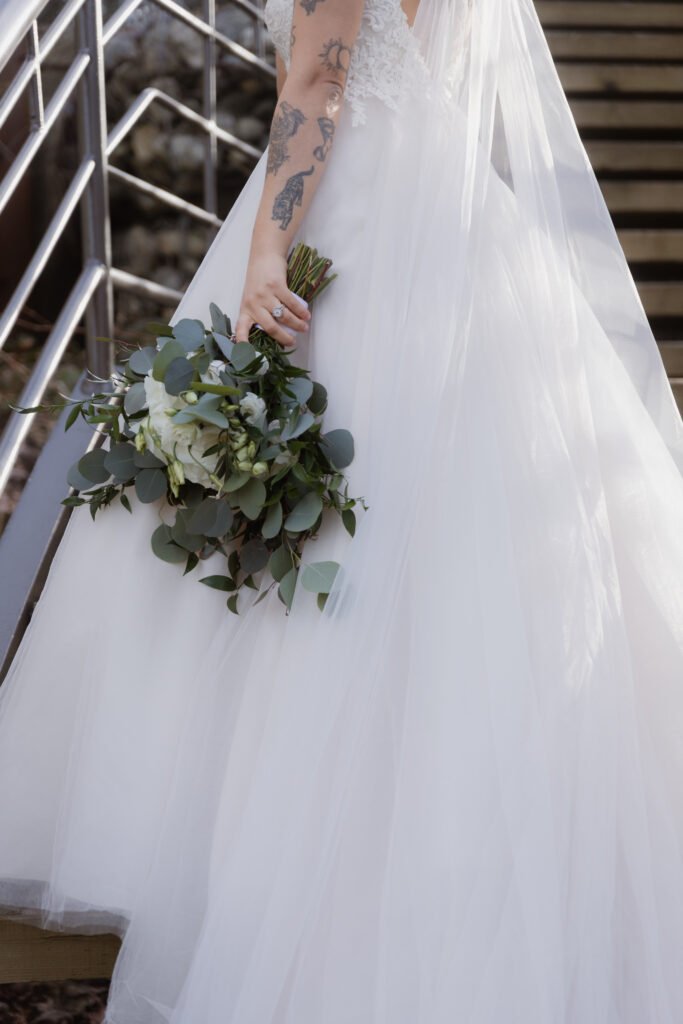
When it comes to planning a wedding, understanding your floral needs is a foundational step in the process of how to choose a wedding florist. Begin by assessing your personal style, as well as the overall theme of your wedding. This can significantly influence the types of flowers and arrangements that you might prefer. Are you envisioning a rustic wedding with wildflowers, or a more elegant affair with roses and orchids? Consider creating a mood board that showcases your desired colors, styles, and floral elements that resonate with you.
Next, it’s essential to identify the specific arrangements you desire for your special day. Common floral elements include the bridal bouquet, bridesmaids’ bouquets, boutonnieres, centerpieces, and altar decor. Think about how you want to incorporate flowers into each aspect of your wedding, as this will help streamline your communication with your potential florist and ensure that they can cater to your vision.
Additionally, evaluating the venue plays a critical role in selecting the right flowers. Different venues have distinct characteristics that can enhance or detract from your floral displays. For instance, a garden setting may allow for abundant greenery and vibrant colors, while a more formal ballroom might warrant a sophisticated arrangement of monochromatic tones. Take the time to visit the venue and visualize how your chosen flowers will complement the space.
Lastly, consider the seasonality of flowers when discussing your options with florists. Certain blooms are perennial favorites while others may be more difficult to source outside their growing seasons. Understanding which flowers are available at the time of your wedding can help you narrow down your choices and ensure a cohesive floral aesthetic that fits both your style and budget.
Establishing a realistic budget for wedding flowers is a fundamental step in the planning process. Understanding the costs associated with various floral arrangements and decorations can help couples effectively allocate their funds without exceeding their limits. On average, couples spend approximately 10% of their total wedding budget on floral decor. However, this percentage may vary depending on personal preferences and the scale of the event.
To begin on how to choose a wedding florist, it is essential to outline your priorities for floral design. Consider which elements are most important to you, such as bridal bouquets, bridesmaid arrangements, centerpieces, and ceremony decor. By prioritizing these components, you can allocate your budget more efficiently. For example, if you envision an extravagant bouquet but are willing to have more modest centerpieces, it is advisable to spend more on items that play a significant role in your wedding day.
When discussing costs, it’s crucial to be aware of the various factors that influence floral pricing. Seasonal blooms tend to be more affordable than out-of-season varieties, so opting for flowers that are in season at the time of your wedding can help reduce costs. Additionally, the complexity of the arrangements and the level of skill required for specific designs can also impact the overall price. For instance, a simple bouquet will generally cost less than an elaborate floral installation.
To manage expenditures effectively, couples should consider obtaining quotes from several florists. This practice allows for informed decision-making and ensures that you are aware of industry standards. Always strive for transparency when discussing your budget with potential florists, as they can often suggest alternative options that align with your financial constraints. By doing so, you can enjoy beautiful floral decor while adhering to your budgetary limits.
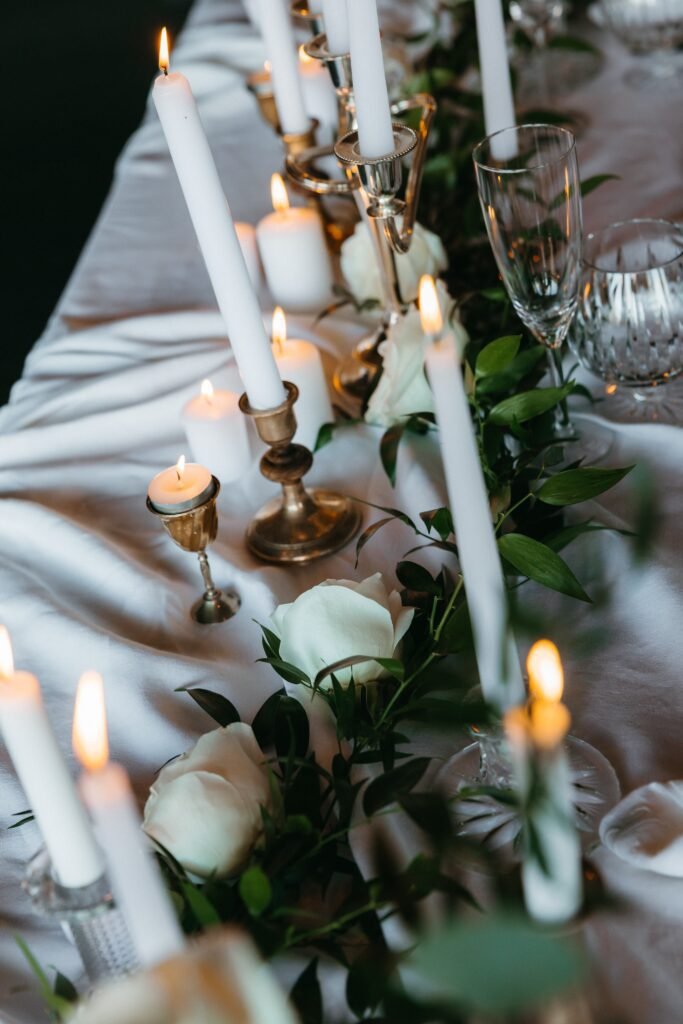
When planning a wedding, selecting the right florist is a significant decision. Understanding how to choose a wedding florist begins with thorough research of potential candidates. One effective method is to leverage online searches, which can uncover local florists who specialize in wedding arrangements. Websites like Google, Yelp, and wedding-specific platforms provide valuable information, including floral design styles, pricing, and contact information.
Additionally, reading reviews from past clients can offer insight into the florist’s reliability, customer service, and quality of arrangements. Look for feedback that highlights a florist’s ability to understand and execute a client’s vision. Pay attention to both the positive and negative reviews to form a balanced perspective. This ensures that you are well-informed about what to anticipate from the candidate.
Another critical avenue in your search is social media. Platforms such as Instagram and Pinterest serve not only as sources of inspiration but also showcase the portfolios of various florists. By following local florists on these channels, you can gauge their aesthetic, creativity, and responsiveness through their interactions. Moreover, social media often features real-time customer feedback, enabling you to assess their reputation and engagement with clients.
Lastly, personal recommendations from friends, family, or wedding planners can lead you to trustworthy florists. Those who have previously planned weddings can offer first-hand experiences that guide you in understanding how to choose a wedding florist who aligns with your specific needs. By compiling all this information into a list of potential candidates, you can streamline the selection process and ensure that you are well-prepared to make an informed decision for your wedding florals.
Engaging with potential florists is a critical step in understanding how to choose a wedding florist who aligns with your vision and needs. Prior to your meetings, take the time to outline your expectations and preferences. Having a clear idea of your wedding theme, color palette, and the type of floral arrangements you envision will enable you to communicate effectively with the florist. Consider gathering inspirational images or creating a mood board to share your ideas visually.
When meeting with florists, it is beneficial to ask specific questions that directly relate to their style and experience. Inquire about their previous work by requesting a portfolio or viewing photographs from past weddings they have serviced. This can offer insight into their floral aesthetic and whether it aligns with your vision. Additionally, you should ask about their experience working with weddings similar in size and style to yours. Understanding their proficiency in handling various scales and themes can influence your decision on how to choose a wedding florist.
Another important aspect to discuss is the florist’s process for creating arrangements, as this can vary significantly from one provider to another. Ask them about their approach to sourcing flowers, their relationships with suppliers, and whether they can accommodate your specific requests for custom wedding flowers or local blooms. Evaluating how receptive they are to your ideas is essential, as their willingness to incorporate your vision into their designs indicates a good rapport.
A successful partnership with your chosen florist hinges on mutual trust and understanding. Hence, ensure that you feel comfortable discussing your preferences, ideas, and budget. Building a personal connection will not only enhance communication but also inspire confidence in their ability to bring your floral vision to life on your special day.
When determining how to choose a wedding florist, an essential step is evaluating their portfolios and design styles. A florist’s portfolio serves as a visual testament to their skills and creative approach, making it crucial for prospective clients to delve into this aspect carefully. Start by examining the quality of their work displayed within the portfolio. Look for sharp, high-resolution images that accurately represent the florist’s arrangements, paying attention to details such as color harmony, textural variety, and overall composition.
Next, consider the floral design style exhibited in the portfolio. Florists often specialize in specific themes or aesthetics, such as modern, rustic, vintage, or whimsical designs. Look for arrangements that resonate with your vision for your wedding. It is beneficial to identify florists whose styles align with your preferences, as it can significantly enhance the coherence of your wedding’s overall look. Remember that the stylistic elements should also complement the venue and other decorations you have in mind.
Furthermore, versatility is an important attribute to evaluate in a florist’s portfolio. A competent florist should demonstrate a range of styles and capabilities, showcasing their ability to adapt to different themes and settings. In addition to assessing online portfolios, it is advisable to request access to real-life examples of their work, such as past wedding setups or events where they have provided floral arrangements. This provides a clearer picture of their skill level and ensures that the arrangements align with the quality you expect for your special day. By carefully evaluating these aspects, you will be better equipped to make an informed decision when choosing a wedding florist.
When embarking on the journey of how to choose a wedding florist, conducting thorough research into their reputation is crucial. One of the most effective ways to assess a florist’s reliability is to check references and reviews from former clients. This process not only offers insights into the florist’s previous work but also reveals potential concerns that may have been experienced by others.
Start by visiting the florist’s website, where testimonials are often displayed. While these can provide a general sense of satisfaction, they tend to be curated. To gain a more accurate picture, explore third-party review platforms, such as Google Reviews, Yelp, and The Knot. These platforms feature unfiltered client feedback that can highlight both strengths and weaknesses. Pay attention to recurring themes in the reviews, particularly regarding aspects such as punctuality, creativity, and responsiveness, as these can significantly influence your decision.
Furthermore, consider reaching out directly to past clients if possible. Don’t hesitate to ask the florist for references; reputable florists should be willing to provide contact information for clients they have previously serviced. When speaking with these individuals, inquire about their overall experience, how well the florist executed their vision, and if they encountered any issues during the planning process. Understanding the experiences of others can help in evaluating whether the florist aligns with your expectations.
Additionally, social media platforms can serve as useful tools for gauging the florist’s recent work. Many florists showcase their latest projects on platforms like Instagram and Pinterest, providing a visual testament to their style and expertise. In sum, checking references and reviews is an indispensable aspect of discerning how to choose a wedding florist, ensuring that you select a professional who not only meets but exceeds your expectations.
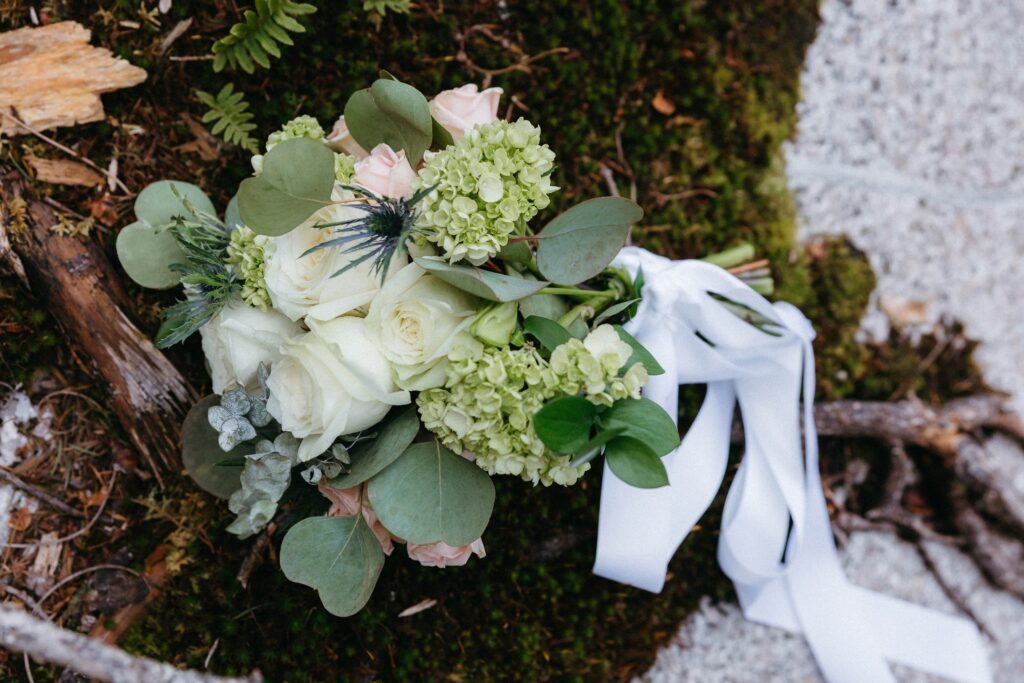
When planning a wedding, one of the most critical aspects is selecting a florist. However, the process does not end with finding the right fit; it is equally essential to understand the terms and contracts involved. A well-reviewed florist may present alluring arrangements, but if one does not comprehend their contracts, it may lead to complications down the line.
Firstly, a clear understanding of payment details is vital. Contracts should explicitly outline the total cost, payment timelines, and acceptable payment methods. When searching for guidance on how to choose a wedding florist, ensure the contract specifies deposit requirements and any consequences of late payments. Clarifying these elements can prevent misunderstandings later—especially in a field where pricing can vary significantly based on floral design and delivery services.
Next, cancellation policies are another crucial area to scrutinize. Many floral arrangements require a considerable lead time for ordering and preparation. Therefore, ascertain the florist’s policy on cancellations and refunds. Ideally, any financial commitments should be clearly stated, along with conditions under which a client can withdraw and receive a refund. Understanding these policies can save potential heartache as the wedding date approaches.
Additionally, delivery terms should be diligently reviewed. The contract should specify delivery dates, times, and whether setup is included in the agreed price. Knowing how to choose a wedding florist involves looking beyond aesthetics; operational details matter too. Confirming delivery windows and setup responsibilities ensures that flowers will arrive in a timely manner and are set up correctly on the wedding day.
Finally, ensure that all services provided are detailed in the contract. This includes flower arrangements, bouquets, and any additional services such as decor or rentals. By gaining a comprehensive understanding of the contract and its terms, couples can make informed decisions, ensuring their wedding day is as beautiful and stress-free as envisioned.
Once a wedding florist has been selected, the next vital step involves collaboration to ensure that the floral arrangements align with your vision for the event. Open communication establishes a strong foundation for this collaboration. Start by sharing your ideas and preferences with the florist; this may include specific flowers, colors, and styles you envision for your wedding. Photographs from previous weddings, online inspiration boards, or mood boards can serve as valuable tools in illustrating your desired aesthetic.
While it is important to convey your preferences, it is equally essential to remain receptive to the florist’s expertise and recommendations. Florists possess an in-depth understanding of seasonal flowers, which can significantly influence the choice of materials and color palettes. For example, they might suggest alternatives that not only match your theme but also provide better longevity and availability during your wedding date. Engaging in an open dialogue allows both parties to explore creative solutions that enhance your overall vision.
During the process of finalizing designs, consider elements such as the scale and impact of arrangements. Discuss the placement of flowers throughout the venue, from centerpieces that draw guests’ attention to smaller accents that complement the overall décor. Keep sustainability in mind as well; inquire about locally sourced flowers or eco-friendly options that align with your values. This collaboration extends to logistical aspects, including delivery timelines and setup, ensuring that everything flows seamlessly on your wedding day.
Ultimately, collaborating with your florist should be an enjoyable experience, fostering a partnership based on mutual respect and understanding. By effectively communicating your ideas while being open to suggestions from the florist, you can create stunning floral arrangements that enhance the beauty of your wedding, thus aiding you in how to choose a wedding florist who will bring your vision to life.
As your wedding day approaches, meticulous preparation becomes paramount, particularly when coordinating with your chosen florist. To ensure the flawless delivery and setup of floral arrangements, effective communication is key. Start by providing your florist with a detailed timeline highlighting when flowers should arrive at the venue. This will allow your florist to plan for timely delivery and set up, ensuring that everything is in place before the ceremony begins.
It is also essential to discuss the logistical details concerning the floral arrangements. Determine whether the flowers need to be set up at different locations, such as the ceremony site and reception area. This information helps the florist allocate their resources efficiently and strategize on transport and installation. Additionally, consider arranging a final walkthrough of the venue with your florist prior to the wedding day. This will not only solidify your vision but also assist in addressing any potential logistical challenges that may arise.
Moreover, be clear about the setup arrangement. Specify how you would like the flowers displayed and whether there are particular focal points that need emphasis. A shared understanding between you and the florist about decor and placement will foster a seamless execution on your wedding day. Discuss contingency plans in case of unexpected issues, such as late deliveries or damaged flowers. Having a backup plan, which may include alternative flowers or decor, can alleviate stress and ensure the day unfolds without significant hitches.
By taking these necessary steps and maintaining open lines of communication, you will enhance your understanding of how to choose a wedding florist that meets your expectations while preparing for the big day with confidence.
Ready to talk flowers? Book your get a free wedding quote from Petal & Bulb